


Learning to read in English is not just about “knowing words”. Reading in English relies on specific mechanisms (sounds, letter combinations, irregularities) which can be confusing, especially if a child is learning to read in French at the same time. The good news is that, with the right methods, progress is fast, measurable, and often very motivating for children.
In this article, you will find practical and well-established approaches (phonics, guided reading, etc.), simple routines to put into practice, and resources to help your child read in English fluently and confidently.
Why Learning to Read in English Is Different from French
French is relatively “transparent”: the same letter often produces predictable sounds. English, on the other hand, is more “opaque”: the same group of letters can be pronounced differently depending on the word. Example: ea in read, head, breakAs a result, a child may know the vocabulary but struggle with reading if the method does not explicitly teach English grapheme–phoneme correspondences.
To make progress, a child needs to:
- master English sounds (phonemes) and their written forms (graphemes);
- develop automatic reading of high-frequency words;
- read regularly, using level-appropriate texts, to build fluency and comprehension.
1) Phonics: The Most Effective Foundation
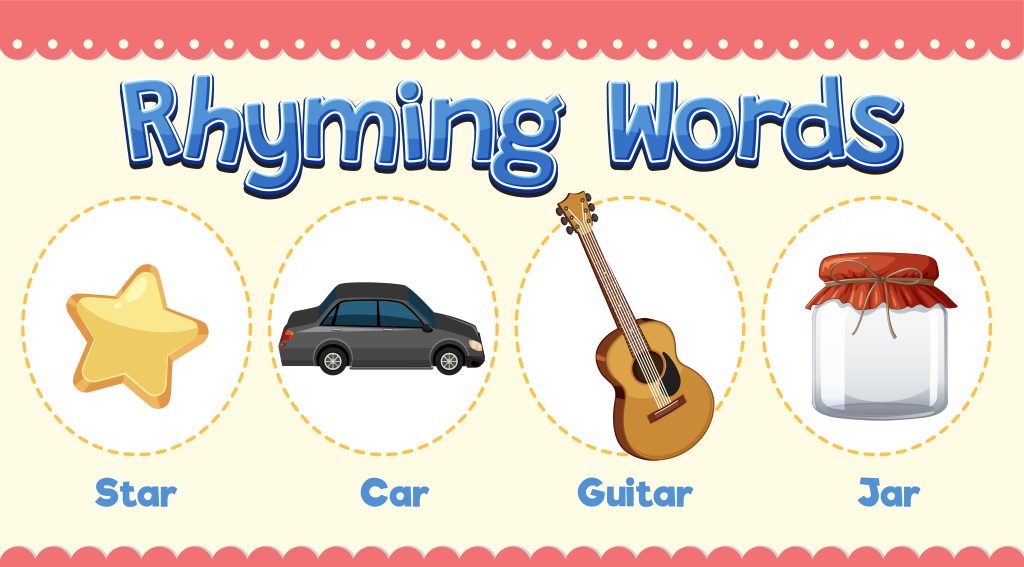
Phonics is a method that teaches children how to decode words by linking letters and sounds. It is the most widely used approach in many English-speaking education systems.
How does it work?
- Gradual learning of sounds (e.g. s, a, t, p, i, n).
- Blending sounds to read words (e.g. sat, pin, tap).
- Introduction of digraphs (e.g. sh, ch, th, ee, oa).
- Reading words, then sentences, then short books.
Practical tip: prioritise a structured progression rather than “random” learning through videos. Ten minutes a day is enough if it is consistent.
Recommended external resource: Jolly Phonics (method overview): https://www.jollylearning.co.uk/
2) Decodable Books: Reading Texts That Match Learned Sounds
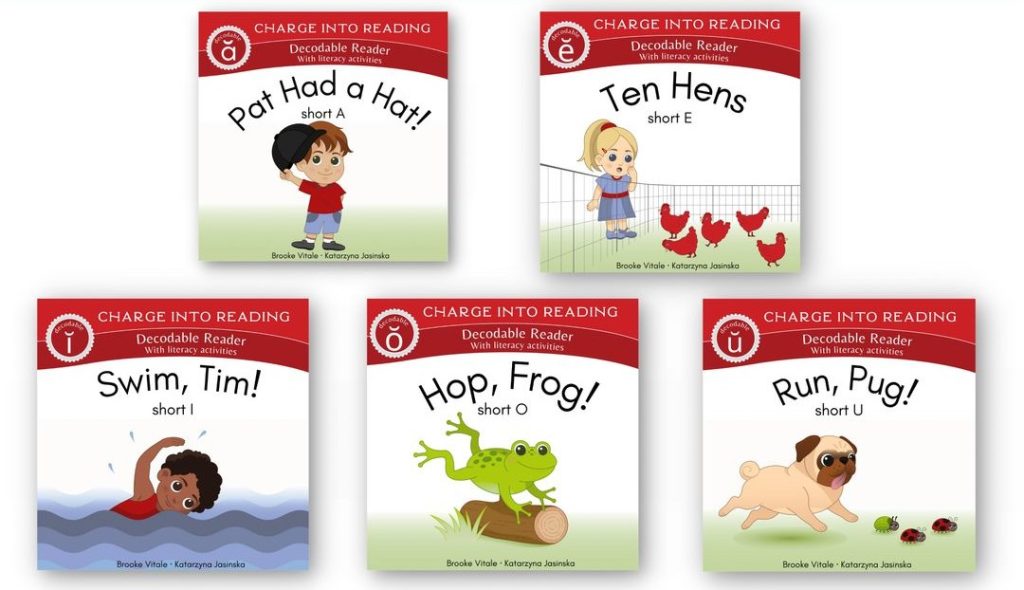
Decodable books are designed so that children can read independently using only the sounds they have already learned. They avoid the “guessing” effect (where a child guesses the word from the picture) and strengthen decoding skills.
What to look for: “decodable readers” + phonics level (Phase 2/3/4, etc.).
External resource: Oxford Owl (children’s reading resources): https://www.oxfordowl.co.uk/
3) Guided Reading: A Simple Technique to Build Fluency
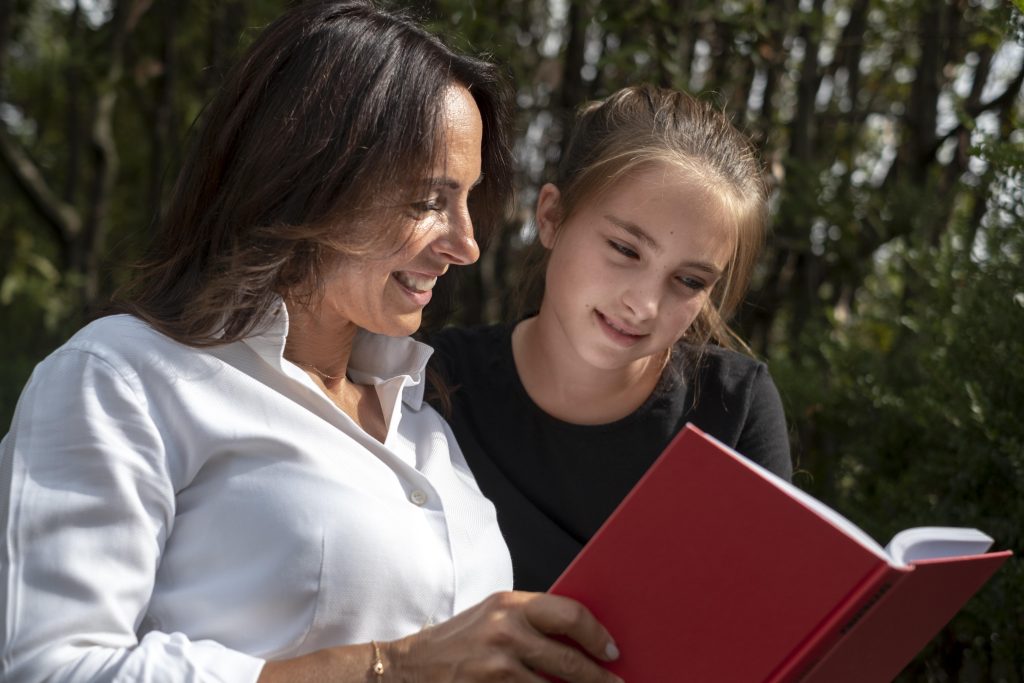
Guided reading involves reading a short text with your child, supporting them with:
- pronunciation,
- rhythm and intonation,
- comprehension (who is speaking? what is happening?).
Effective routine (5–10 minutes):
- The child reads a paragraph.
- You reread the same paragraph fluently.
- The child reads it again (fluency improves on the second or third reading).
4) High-Frequency Words: Automating the Most Common Words

Some very frequent words are not always easy to decode at the beginning (the, said, one). These are learned as “sight words” to be recognised quickly without interrupting reading.
Tip: five words per week, displayed on the fridge, revised for one minute a day.
External resource: Dolch word list (high-frequency words): https://www.readingrockets.org/
5) Reading Aloud (Even If the Child Cannot Read Independently Yet)

Reading aloud helps to develop:
- an ear for English (rhythm and intonation),
- vocabulary,
- comprehension (an essential foundation for later reading).
Simple rule: 10 minutes a day of stories in English + 10 minutes of phonics = very solid progress.
6) Establishing a Realistic Home Routine
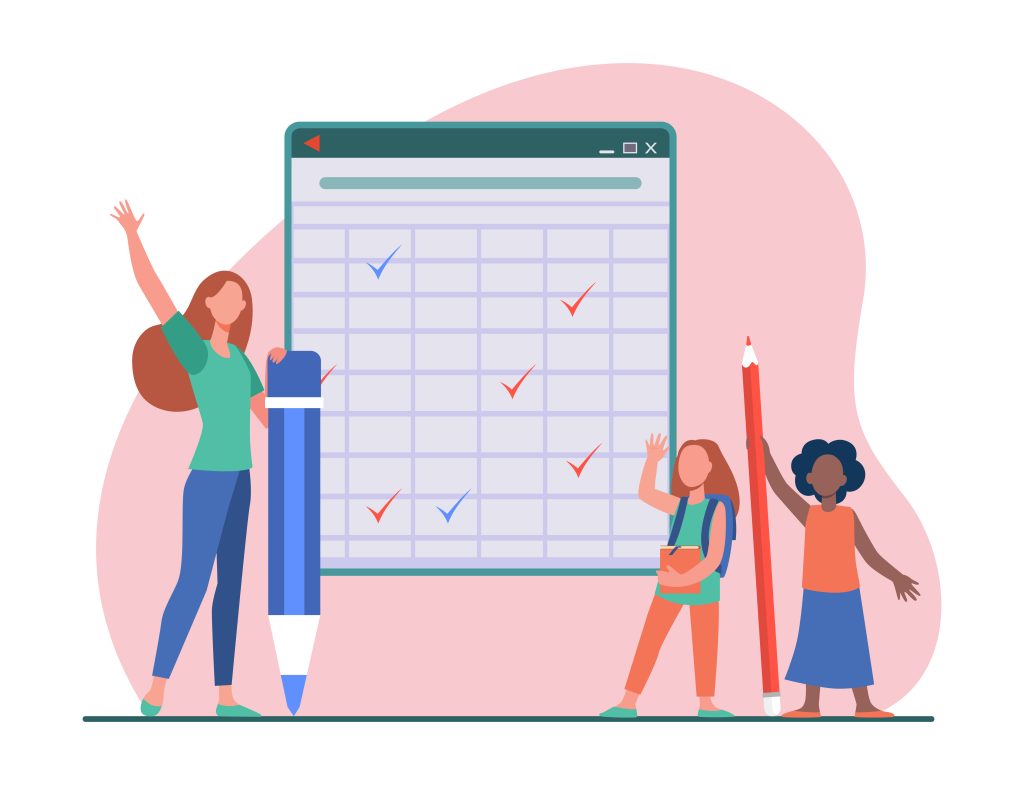
What matters most is consistency, not duration. Example of a typical week:
- Monday: phonics (10 minutes)
- Tuesday: decodable book (10 minutes)
- Wednesday: guided reading (10 minutes)
- Thursday: high-frequency words (5 minutes) + short reading (5 minutes)
- Friday: story in English (10 minutes)
To avoid: moving too quickly to books that are too difficult. This often leads to frustration and reading blocks.
7) Apps and Digital Tools: Useful, but as a Complement

Apps can help with:
- l’entraînement phonics,
- word recognition,
- repetition and motivation.
However, they do not replace real reading. Ideally: 10 minutes of an app + 10 minutes of reading.
External resource: British Council – Learning English Kids: https://learnenglishkids.britishcouncil.org/
How Can You Tell If Your Child Is Making Progress?
Some simple indicators:
- they decode more quickly (fewer hesitations),
- they recognise common words effortlessly,
- they understand the general meaning of a short text,
- their reading is more fluent on the second attempt.
If your child struggles over a long period (very difficult decoding, persistent confusion, stress), it may be helpful to seek advice from the teacher and adjust the progression.
At School: What Should You Look for in the Teaching Approach?
To support learning to read in English, an effective school will usually provide:
- a structured phonics progression,
- level-appropriate reading materials (decodable books),
- regular monitoring (reading, comprehension, vocabulary),
- a coherent bilingual environment.
If you would like to go further in bilingual education and organising a French–English learning pathway, you can also consult:
- International School or Bilingual School: How to Choose the Best for Your Child?
- The Open Sky International Journal (articles and resources)
Conclusion
Learning to read in English becomes much easier when a structured method (phonics), suitable books (decodable readers), and regular practice (guided reading plus stories) are combined. The goal is not immediate perfection, but steady, motivating, and measurable progress.